-
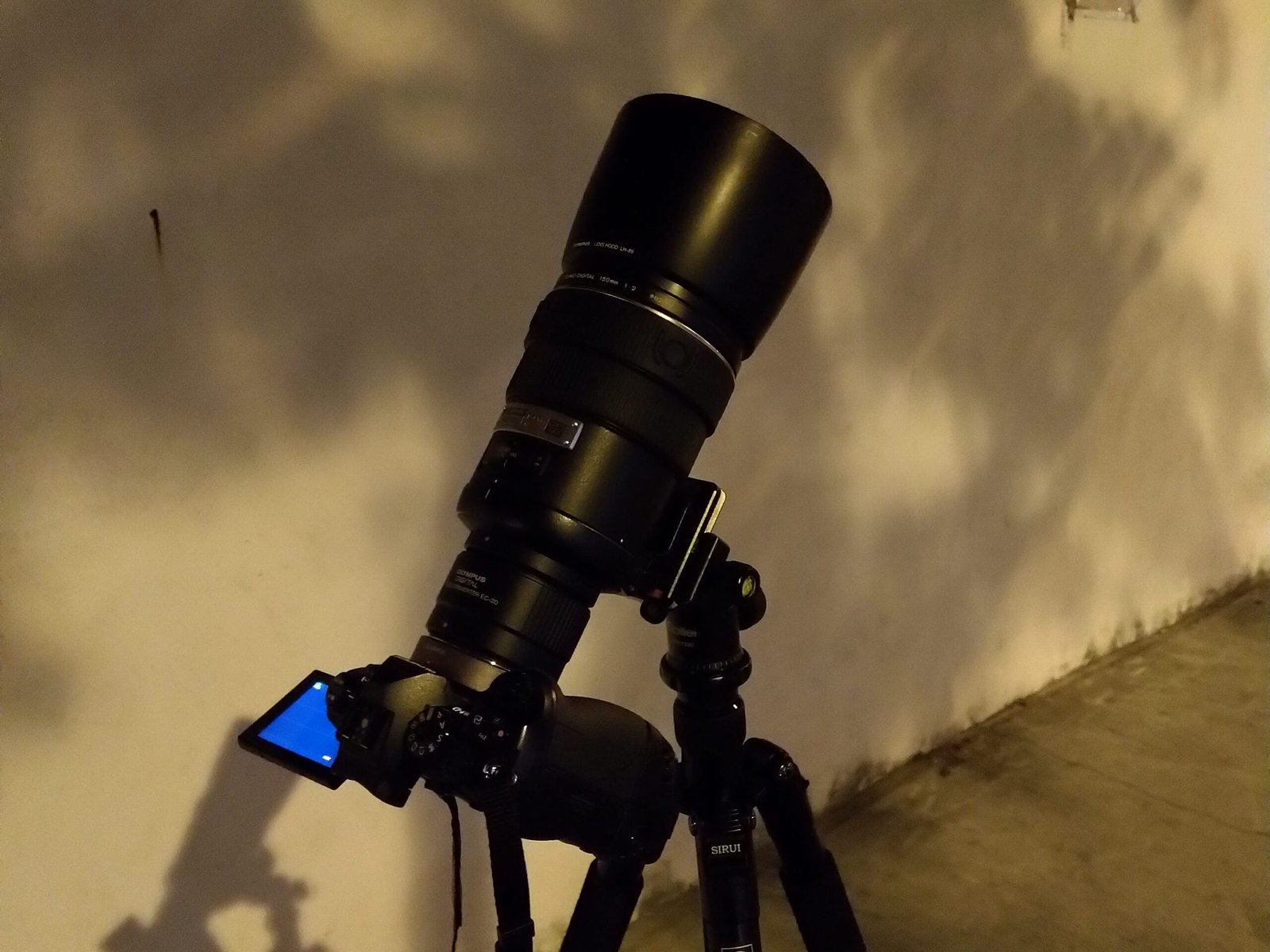
4K shooting, a new possibility for lightweight planetary photography?
Planetary and moon photography always about stacking. Atmospheric disturbances can affect the stability of images at great distances. Also, most of the cameras used for planetary photography have smaller sensor formats with high pixel density. The signal-to-noise ratio is always insufficient. The current mainstream practice is the use of specialized Astro cooling cameras connected to the computer, shooting thousands of frames of AVI files, and then stacked them with software. However, computers and equatorial instruments are not the equipment that you bring out every day. Also, it is a bit too tiring to set up a telescope, equatorial mount, and…
-
Finally comes: STC-Optics Astro-MultiSpectra Clip Filter for Olympus M4/3
(Article updated in May 2021) The epidemic in 2020 brought great changes to the world. At the same time, the weather and atmospheric conditions were quite well because of the reduction of industrial activities. In 2020, I got many chances to photograph the Milky Way, especially in the urban area of Macau, even with seriously light pollution. I accomplished the missions with M4/3 cameras and the STC-Optics Astro-Multispectra filter, that I want to introduce now. I bought it and test it out immediately after the Taiwanese optics manufacturer STC-Optics launched the Olympus M4/3 clip filter.